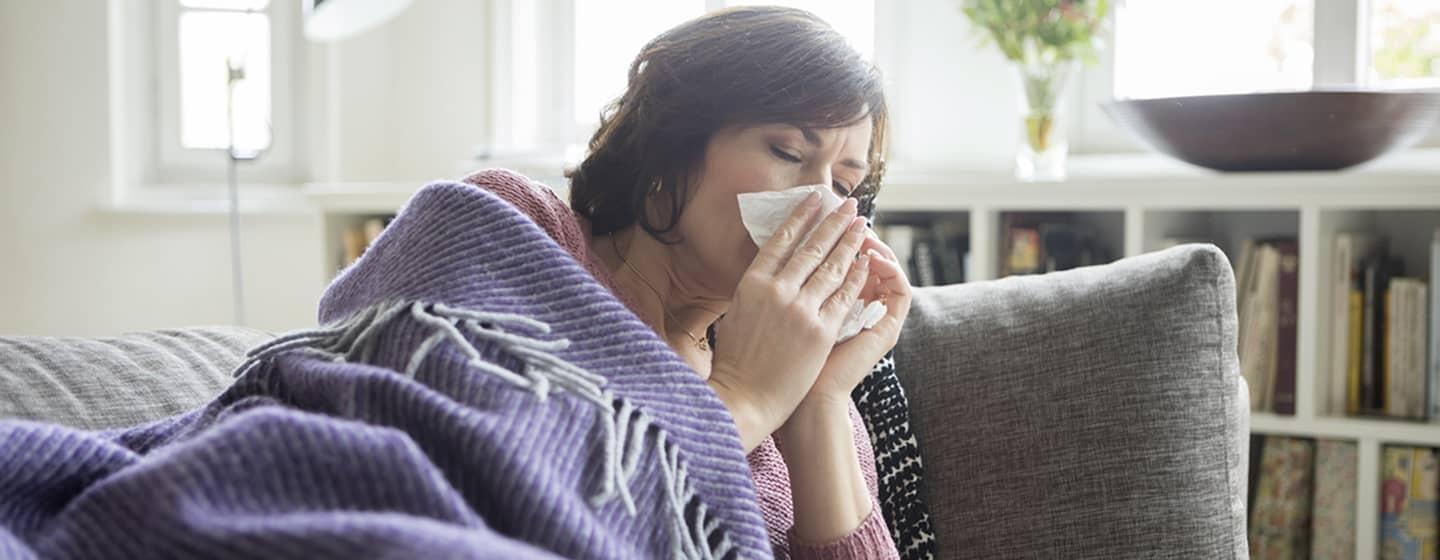
Why the Flu Wasn't Extreme This Year
Despite all of the mask wearing, social distancing, hand washing, virtual schooling and meeting, and canceled events, we haven’t been able to stop the COVID-19 pandemic.
But all of that inconvenience did accomplish one thing, it pretty much wiped out this year's flu season.
The Centers for Disease Control and Prevention (CDC) says that as of January 30, 2021, there have been just 1,316 positive flu cases in its clinical surveillance network since September. This time last year the number of positive cases hit 129,997.
The agency also says its surveillance system, which tries to track flu outbreaks based on people with symptoms showing up at clinics, is also showing a dramatic decline in cases.
Avoiding a "twin-demic"
It’s a huge relief to public health officials, who last fall worried about the strain on the health care system if the flu was hitting at the same time and on the same scale as COVID-19.
“Everyone in the health care field was dreading what we saw as a twin-demic of seasonal flu hitting at the same time we were battling sky-rocketing cases of patients with COVID-19,” said Lauren DiBiase, Associate Director of Infection Prevention and Public Health Epidemiologist at UNC Hospitals. “We would have dealt with it and found a way to treat everyone, because that's what all healthcare workers do, but it would have been incredibly difficult on everyone, including patients.”
Thankfully, the twin-demic never materialized. But what happened?
Public health officials believe the collective behavioral steps that society took to ease the spread of COVID-19 also reduced the outbreak of seasonal flu and saved lives. The CDC estimates that there were 22,000 flu deaths in the 2019-2020 flu season.
What made this flu season different?
The first big difference with this flu season is that more people received flu vaccines this year. However, researchers don’t think the steep declines can just be credited to flu vaccines.
The bigger picture explanation is that mask wearing, social distancing and frequent hand washing stopped the flu. That’s in addition to the lack of travel, online schools, restrictions of large gatherings, and reduced numbers of customers in bars and restaurants.
“We saw a dramatic drop in flu cases soon after everything shut down in March 2020,” adds DiBiase. “And then as we approached fall and a new flu season, we didn’t see an increase in cases because most of the restrictions were still in place.”
Lessons learned may cause future changes
Researchers nationwide are looking at data, trying to correlate flu cases with masking and social distancing policies in each state to get a clearer picture of what happened. But DiBiase believes there are lessons to be learned.
“I think people better understand the importance of frequent hand washing,” said DiBiase. “I also believe mask wearing during flu season will be more socially acceptable. Many countries around the world already do it.”
DiBiase also expects remote working will be more accepted.
“Employers and employees have a clearer understanding of the importance of staying at home when there’s an illness,” DiBiase adds. “Remote working allows for that separation but also means that work can be accomplished.”
It’s clear society doesn’t have to go into lockdown to stop the flu. But the COVID-19 pandemic has shown how society can beat back the flu with our behavior.