New Research Shows Growth of Plant Extinction
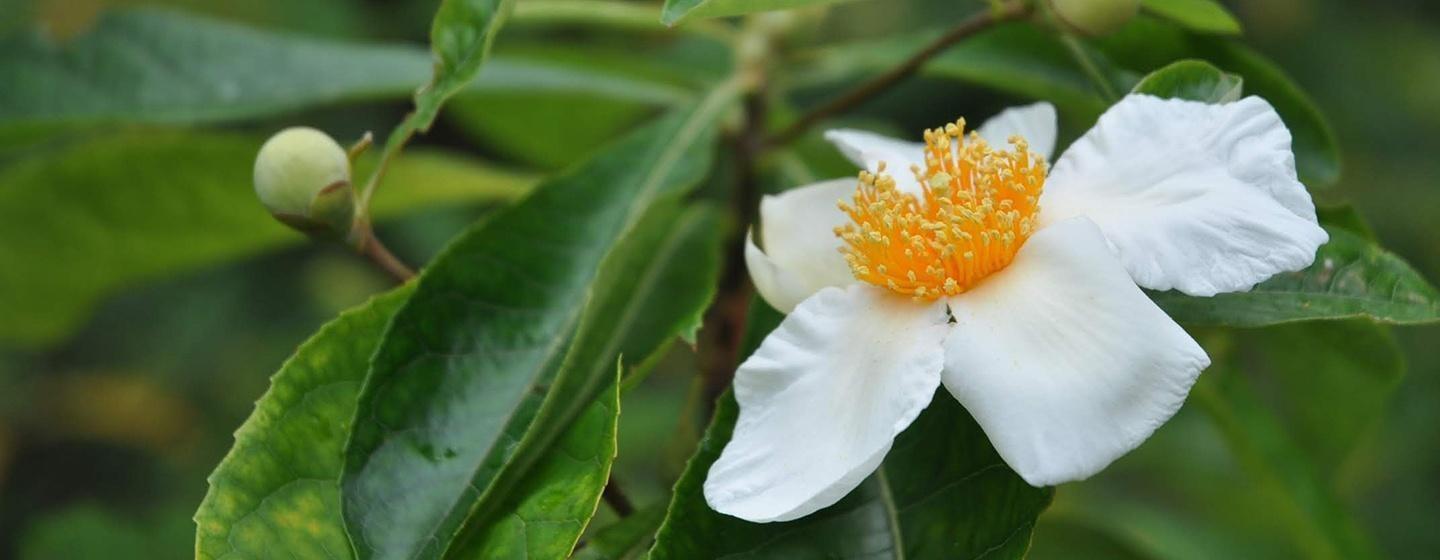
Take a good look at the flowering tree in the photo.
It’s named the Franklin Tree. It was discovered by a botanist in 1765 and named after, you guessed it, Benjamin Franklin.
But here’s the catch. You probably won’t find it in the wild. The NatureServe Global Conservation Status lists the tree as possibly extinct. The photo is of a cultivated tree.
Continental extinction numbers are higher than expected
A new study reveals that extinction is a lot more common than most people thought. They determined that 65 plant species have gone extinct in the United States and Canada since Europeans settled in the New World. That’s more extinctions that any previous scientific study had ever found.
The research was led by Wesley Knapp of the North Carolina Natural Heritage Program (NCNHP). The NCNHP is a state agency that consolidates information about hundreds of rare species and natural communities, which allows the public to understand the ecological significance of sites and the impact of development.
Knapp and a team of 16 experts set out to document the extinct plants of the continental United States and Canada for the first time in history. The groundbreaking report has been published by the international journal Conservation Biology.
The researchers found that most plant extinctions occurred in the western United States, where the vegetation was minimally explored before widespread European settlement.
The group also believes that their record of 65 extinctions is an underestimate, because many extinctions likely occurred before scientists explored an area. Previous studies documented far fewer plant extinctions on the North American continent.
“Preventing extinction is the lowest bar for conservation success, but even then we aren’t always successful,” said Knapp. “This study started out as an academic question, but later developed into an opportunity to learn from what we have lost. By studying the trends and patterns of plants that have already gone extinct, hopefully we can learn how to prevent plant extinctions going forward.”
Learning from what we've lost
One of those lessons stems from the discovery that 64 percent of the plant species ruled as extinct were known only from a single location. While conservation often focuses on protecting entire landscapes, this finding points to the importance of small-scale protections in order to prevent extinctions.
The study also shows the importance of collaborative science when addressing large-scale conservation issues. The researchers came from state and federal government agencies, numerous botanical gardens, not-for-profit organizations, regional conservation groups, and academic institutions.
To really answer the overarching question of what exists and where, the team of experts cross-checked thousands of records to ensure accuracy, discovering that botanical gardens occasionally harbored the last of an extremely rare species and didn’t realize it.
Anne Frances, the lead botanist at NatureServe says the report is timely, as extinction rates are predicted to increase over the next century.
“In most cases, we can stop plants from going extinct, but we just need the resources and commitment to do so,” said Frances.